Secure Transaction Systems Enhancing Incentives in Mobile Table Game Tournaments
Tina Bennett · Oct 15, 2026
Secure Transaction Systems Enhancing Incentives in Mobile Table Game Tournaments
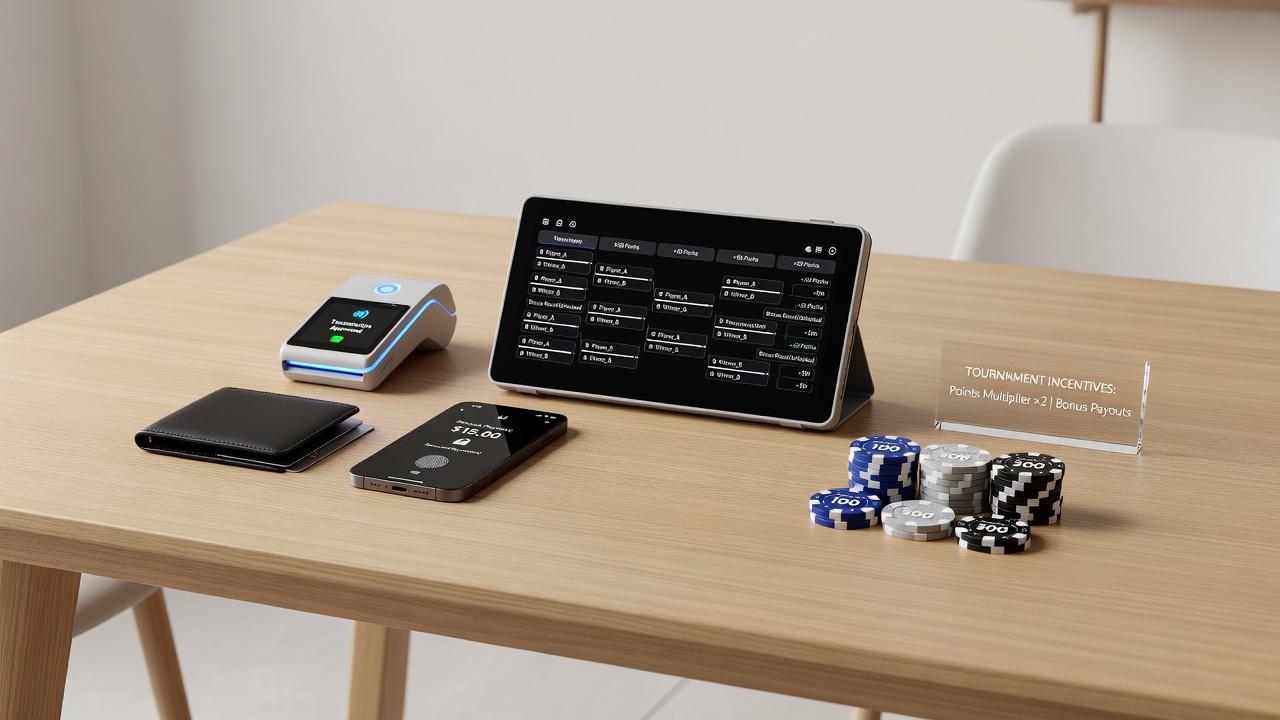
Portable table game environments have expanded rapidly since the mid-2020s, with secure transaction options now playing a central role in how operators structure tournament incentives. Data from the Nevada Gaming Control Board shows that mobile poker and blackjack platforms processed over 2.8 million tournament entries in the fiscal year ending June 2026, a figure that rose steadily through October 2026 as encryption standards and instant settlement features became standard across regulated apps.
Operators integrate payment methods such as bank transfers, digital wallets, and blockchain-based ledgers to reduce processing times, which in turn allows prize pools to be funded and distributed within minutes of tournament completion. This technical linkage creates direct incentives: players receive entry-fee rebates or bonus chips immediately after deposits clear, a mechanism that studies from the University of Nevada, Reno link to higher retention rates in multi-table events.
Payment Security Standards and Their Direct Effect on Entry Volumes
Regulatory frameworks in multiple jurisdictions require multi-factor authentication and end-to-end encryption for all financial movements tied to table game tournaments. The Malta Gaming Authority reports that platforms meeting these standards recorded a 19 percent increase in daily tournament sign-ups between January and October 2026 compared with systems still relying on legacy verification steps. Faster clearance means tournament organizers can guarantee fixed prize structures without holding funds in escrow for extended periods, which reduces administrative overhead and lets a larger share of entry fees flow into payouts.
Those who manage portable environments often bundle deposit bonuses with specific payment rails. A user choosing an open-banking transfer might receive an automatic 10 percent match applied as tournament credit, while cryptocurrency options trigger instant ledger confirmations that unlock higher-stakes satellite events. Industry reports from the Canadian Gaming Association document similar patterns, noting that platforms offering at least three certified payment channels saw average field sizes grow by 27 percent year-over-year.
Tournament Structures That Leverage Instant Settlement
Freeroll qualifiers and satellite tournaments now frequently require only a minimal deposit that clears in under ten seconds. Once the transaction registers, the system issues a unique tournament ticket that appears in the player's mobile lobby. This immediacy supports formats such as progressive knockouts and bounty events where prize money reallocates in real time as players are eliminated. Observers at the Global Gaming Expo in October 2026 highlighted sessions where live leaderboards updated prize values within three seconds of each confirmed payment, keeping participants engaged across multiple devices.
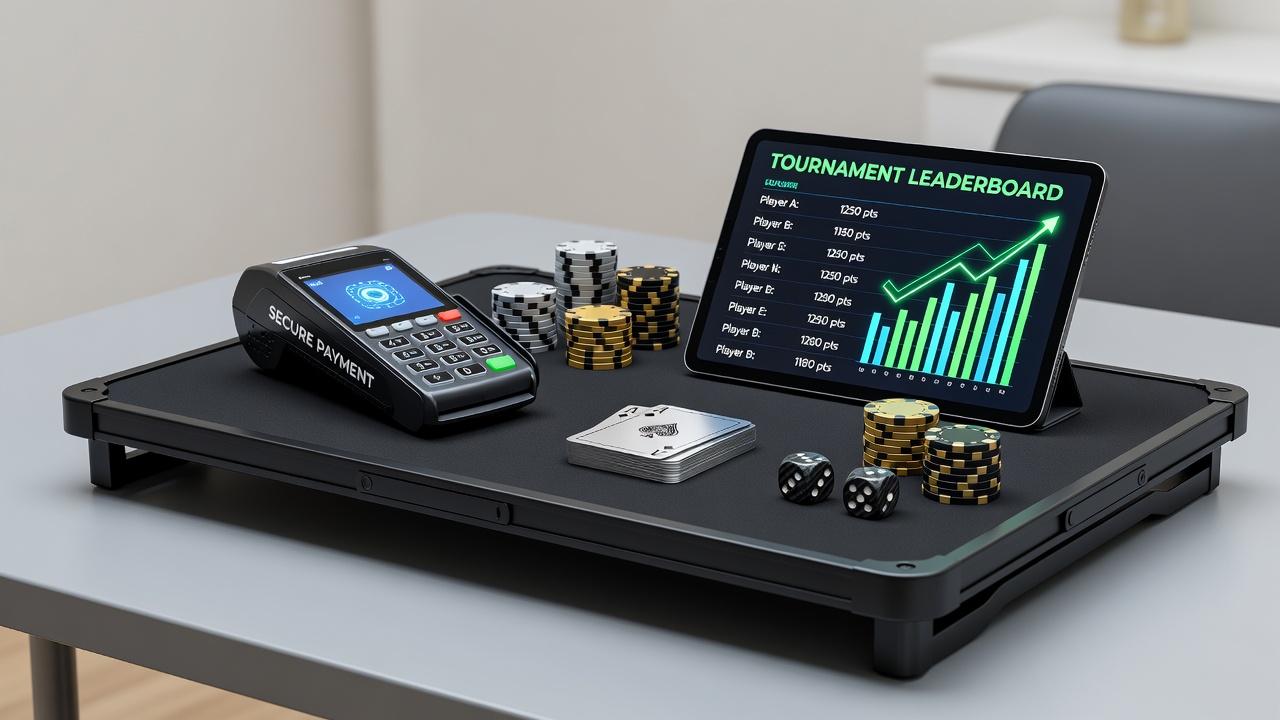
Longer-running series benefit as well. A week-long mobile blackjack championship can accept rolling entries because each new deposit processes without manual review. Research published by the International Centre for Gaming Research indicates that such continuous-entry models increase total handle by 34 percent when paired with tiered incentive ladders that reward cumulative deposits with additional tournament chips or overlay guarantees.
Regional Variations in Payment Integration
European operators tend to favor instant bank transfers certified under PSD2, while North American platforms emphasize licensed e-wallets and state-approved prepaid cards. Australian regulators require all tournament-related funds to route through accounts that maintain separate audit trails, a rule that has prompted several providers to embed real-time reporting APIs directly into their mobile table game engines. These differences produce distinct incentive patterns: European apps more commonly offer cash-back on losses during satellite events, whereas U.S. platforms focus on deposit-match structures that scale with tournament buy-ins.
Cross-border players encounter varying verification speeds depending on the chosen rail. A player depositing from a Canadian bank account into a European-hosted tournament might wait up to 45 seconds for full confirmation, yet still receive the entry ticket before the first hand is dealt. Such timing tolerances remain acceptable because operators have calibrated starting times and late-registration windows around typical settlement durations reported by payment processors.
Security Features That Support Larger Prize Pools
Tokenization of card details and device-bound biometric checks reduce fraud rates, allowing operators to release larger guaranteed prize pools without increasing reserves. According to a 2026 white paper from the Responsible Gambling Council in Canada, platforms that implemented device-level encryption saw dispute rates drop below 0.2 percent of tournament entries, freeing capital that organizers redirect into overlay contributions or additional satellite seats.
These security layers also enable loyalty programs that track every deposit and withdrawal across multiple tournaments. Points accumulate automatically and convert into buy-in credits for flagship events, creating a closed-loop incentive system that keeps players within the same portable environment rather than migrating to competitors.
Conclusion
The technical compatibility between certified transaction channels and tournament mechanics continues to shape portable table game offerings. As settlement speeds improve and regulatory standards converge, operators gain greater flexibility to design entry structures, prize distributions, and bonus layers that respond directly to player deposit behavior. Data collected through October 2026 already shows measurable growth in participation wherever secure, rapid payments form the foundation of incentive programs, and further integration of ledger technologies is expected to extend these patterns into additional formats and regions.