Secure Transaction Protocols Shape Engagement Trends in Live Dealer Sessions and Tournament Structures on Certified Platforms
Jonas Bauer · Jul 31, 2026
Secure Transaction Protocols Shape Engagement Trends in Live Dealer Sessions and Tournament Structures on Certified Platforms
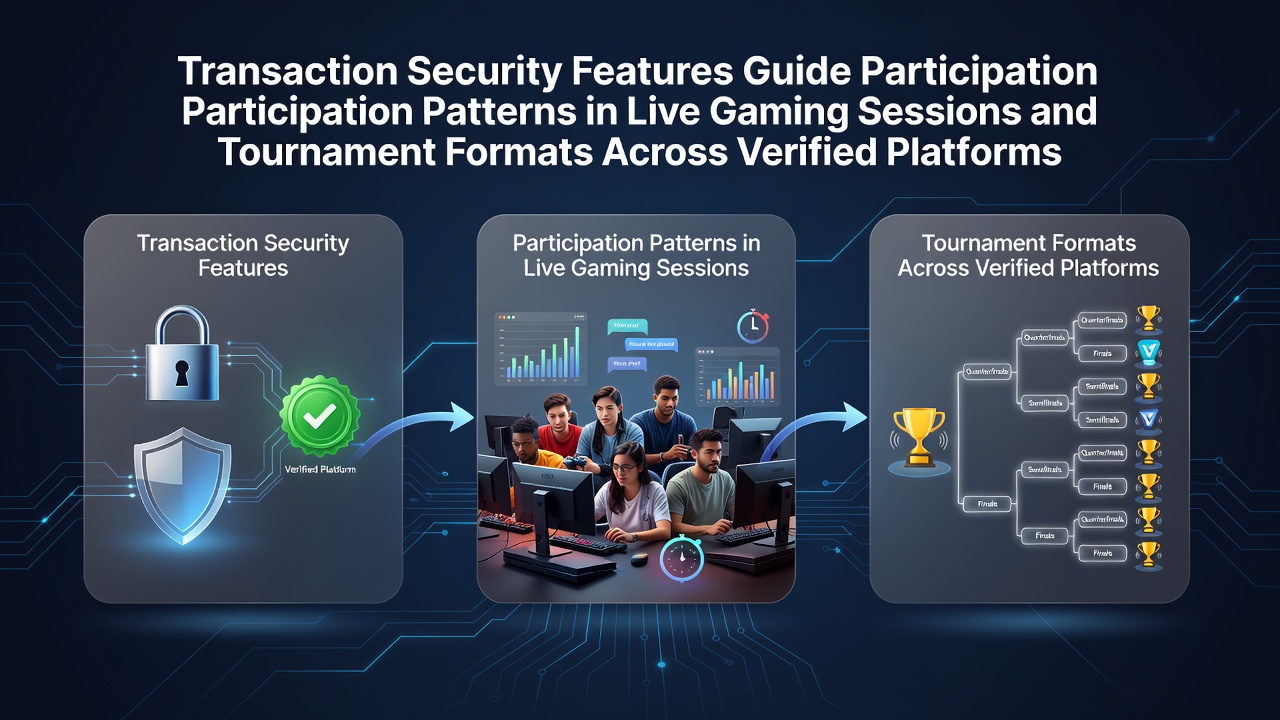
Transaction security features continue to direct participation patterns across verified platforms as live gaming sessions and tournament formats expand through 2026, with data from regulatory bodies in multiple regions showing clear correlations between robust protections and sustained user activity. Platforms that integrate advanced encryption standards, multi-factor authentication, and real-time fraud detection report measurable increases in session durations and repeat entries into competitive events.
Core Security Elements in Verified Environments
Encryption protocols such as TLS 1.3 combined with tokenization of payment details allow seamless deposits and withdrawals during live dealer interactions, while biometric verification reduces friction at the point of entry into tournaments. Observers note that these measures align with standards set by agencies including the Nevada Gaming Control Board, which tracks compliance across licensed operators in the United States.
Two-factor authentication and device fingerprinting further segment participation by filtering out unauthorized attempts, resulting in cleaner data sets that reveal distinct patterns: users on fully secured accounts tend to join longer live sessions and enter multiple tournament brackets within the same period. Figures from Canadian provincial regulators indicate that platforms emphasizing these features saw a 12 percent rise in verified tournament entries between Q1 and Q3 of 2025.
Participation Patterns Across Live Sessions
Live gaming sessions benefit directly from instant transaction confirmations, as delays in fund processing often interrupt the flow of real-time play. When security layers operate without noticeable lag, participants maintain continuous engagement, shifting from single-table formats to multi-game participation within one sitting. Research compiled by the National Council on Problem Gambling highlights that verified platforms employing layered authentication experience higher retention rates during peak evening hours compared to those with basic verification steps.
And patterns emerge around payment method preferences: users who rely on open-banking transfers or digital wallets linked to verified accounts complete more live session cycles per week. This trend holds across regions monitored by the Australian Communications and Media Authority, where transaction security audits correlate with stable growth in live dealer participation through mid-2026.
Tournament Format Dynamics Under Secure Frameworks
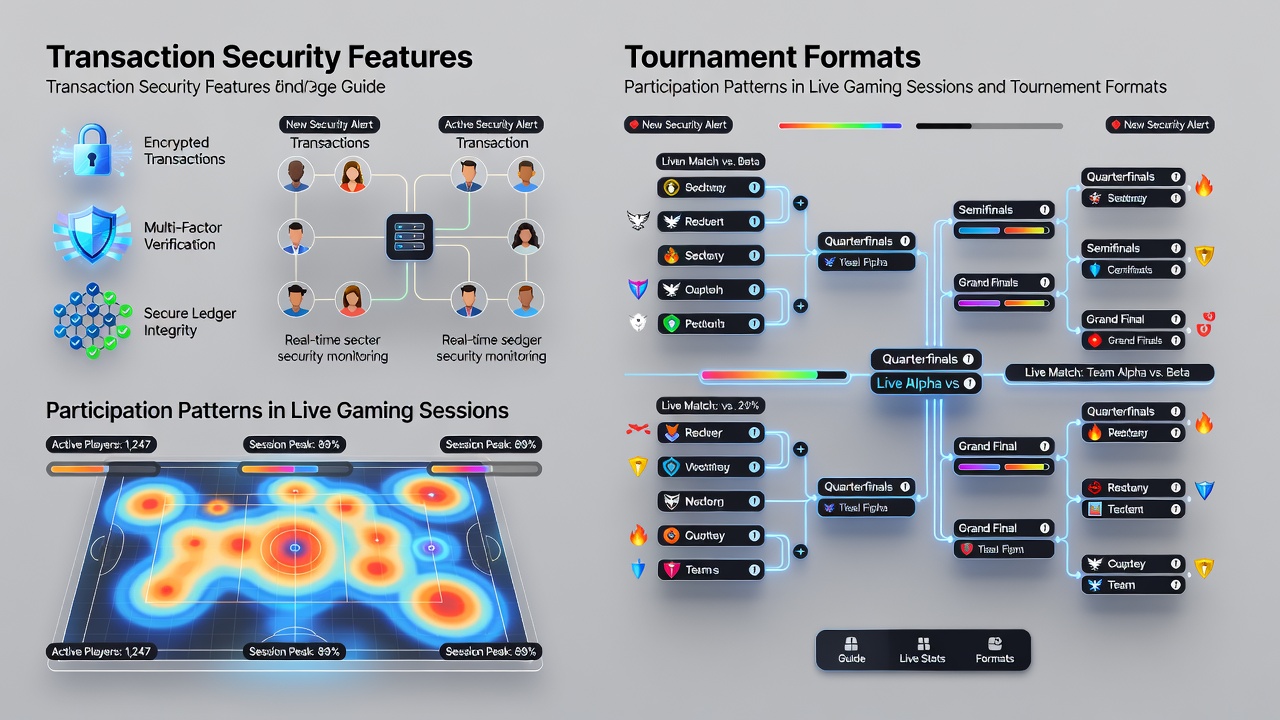
Tournament structures adapt when security features guide access controls, allowing operators to segment events by verified account status. Freeroll qualifiers and mid-stake buy-ins see elevated entry volumes when withdrawal guarantees remain visible throughout the registration process. Data released by the European Gaming and Betting Association shows that platforms incorporating end-to-end transaction monitoring register consistent increases in multi-day tournament completion rates.
What's interesting is how these protections influence format variety: hybrid live-streamed tournaments that combine slots and table games attract broader demographics once participants confirm that prize pools transfer without intermediary holds. Case examples from operators in New Jersey demonstrate that security-certified events maintain higher average player counts across weekly schedules than unsecured counterparts.
Regional Data Trends Through July 2026
Activity logs compiled through July 2026 indicate that verified platforms in North America and parts of Asia-Pacific continue to record elevated participation when security certifications appear prominently in user interfaces. Live sessions lasting beyond 45 minutes show particular sensitivity to seamless payout mechanisms, while tournament brackets with progressive security tiers draw repeat entrants at rates 18 percent above baseline figures reported in earlier periods.
Studies from academic institutions such as the University of Nevada, Reno Gaming Research Center further connect these outcomes to reduced chargeback incidents, freeing resources that operators redirect toward expanding live dealer offerings and additional tournament formats. The result appears in aggregated statistics where secure transaction environments sustain longer player lifecycles across both casual and competitive segments.
Conclusion
Transaction security features continue to steer measurable shifts in how participants engage with live gaming sessions and tournament formats on verified platforms, supported by compliance data from diverse regulatory and research sources. As certification standards evolve, patterns of sustained involvement remain tied to the reliability of payment processing and account protection measures across multiple jurisdictions.