How Verification Standards Influence Reward Redemption in Multi-Game Mobile Ecosystems
Jonas Bauer · Oct 1, 2026
How Verification Standards Influence Reward Redemption in Multi-Game Mobile Ecosystems
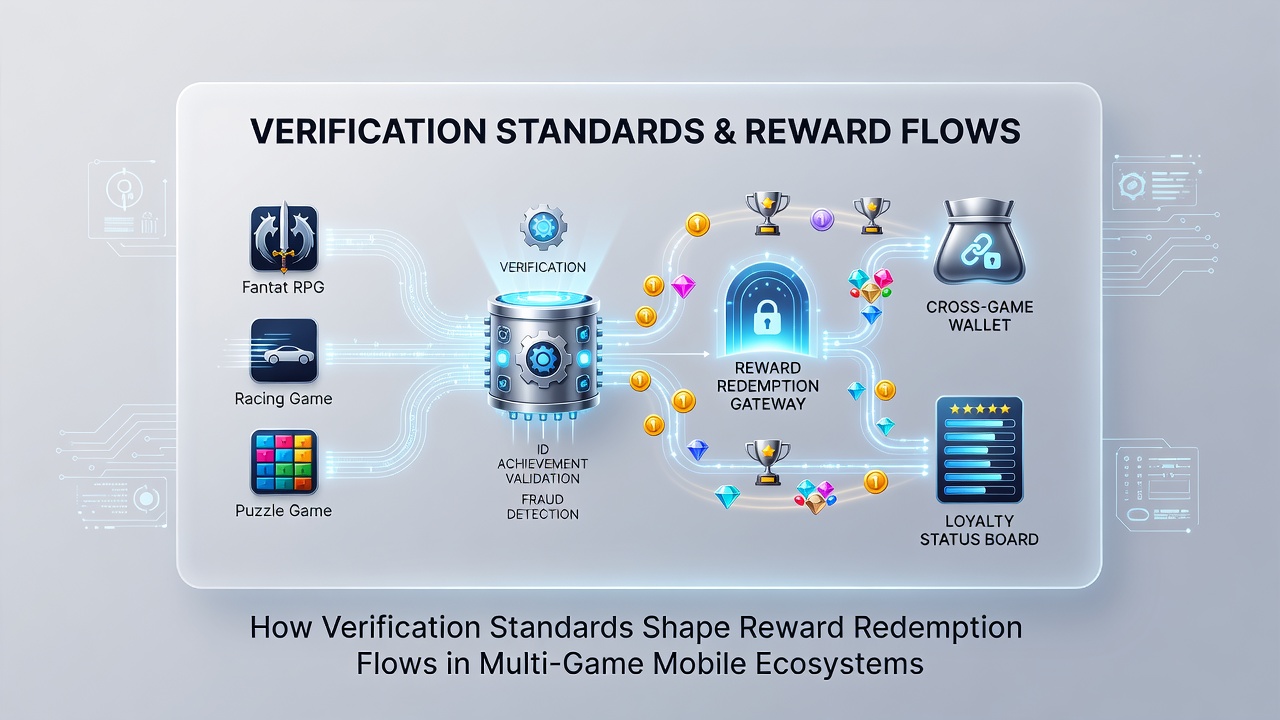
Verification standards have become central to how players access and redeem rewards across mobile platforms that host multiple game types, from slots and table games to sports betting modules. These standards require identity checks, age confirmation, and sometimes address validation before any payout can process, and the requirements differ by jurisdiction and platform operator. Data from industry reports shows that platforms using unified verification systems reduce redundant checks when users switch between game categories within the same app, whereas fragmented approaches create separate verification steps for each game type and slow overall redemption times.
Core Components of Verification in Mobile Ecosystems
Multi-game mobile ecosystems rely on shared player accounts that span different titles, so verification protocols must cover all integrated features at once. Operators implement document uploads, biometric scans, or third-party database matches to confirm user details, and these steps directly determine when reward balances become eligible for cashout or conversion. According to research from the University of Nevada, Reno's gaming studies group, platforms that complete initial verification during account setup see faster subsequent redemptions across game modes because data persists in a single profile rather than resetting per title.
Regulatory frameworks in different regions set the baseline for these processes, and operators adjust flows to meet local rules without disrupting user movement between games. In October 2026, several North American and European platforms updated their systems to align with evolving data protection requirements, which in turn affected how quickly reward redemptions could complete after a player verified once for the entire ecosystem.
Impact on Redemption Timelines and User Flows
Verification delays often appear at the point where players attempt to move rewards out of one game and into another or convert them to cash. When standards require real-time checks against government databases, the process can pause redemption until confirmation arrives, and this interruption becomes more noticeable in apps that combine casino-style games with live sports betting. Platforms that use automated verification tools reduce these pauses because the system cross-references information instantly rather than routing every request through manual review.
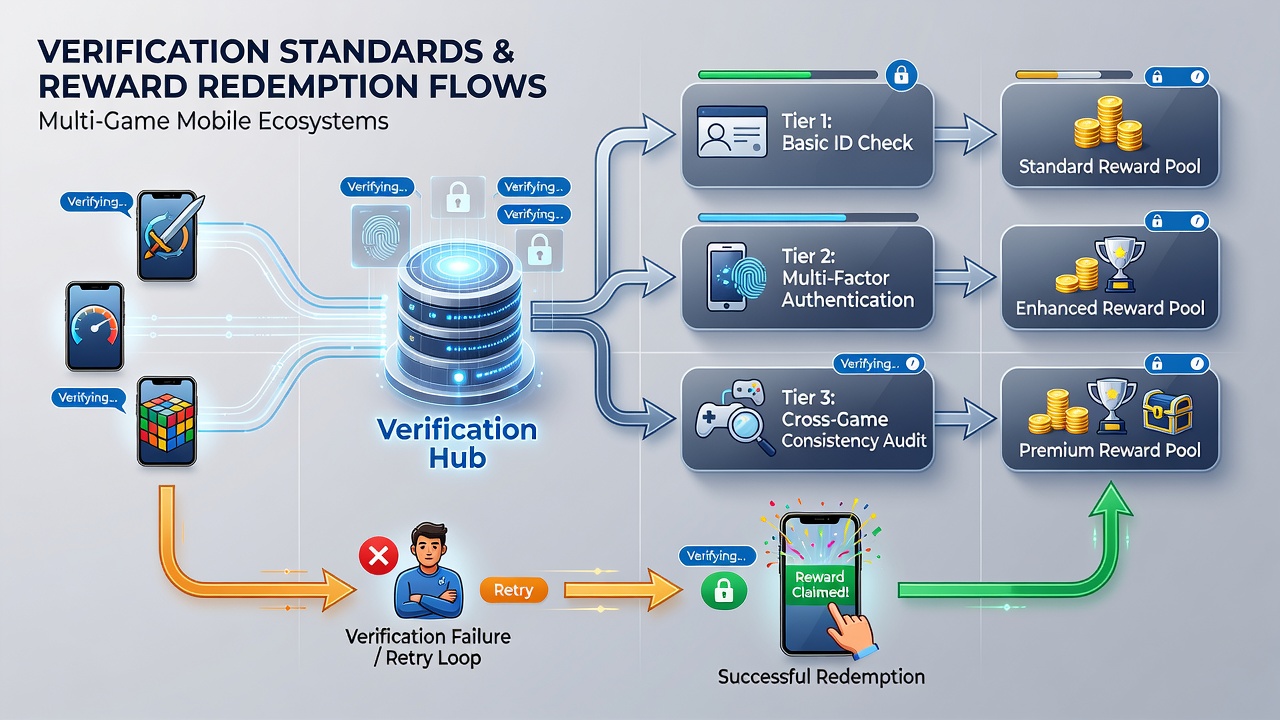
One study from the Canadian Centre for Gaming Research found that ecosystems with centralized verification handled reward transfers between game categories 40 percent quicker on average than those requiring separate approvals. The difference stems from how data sharing works inside the app: once a player clears verification for the overall account, the system recognizes the same credentials across slots, poker rooms, and betting sections without repeating the full check sequence.
Technical Integration Across Game Categories
Developers design multi-game mobile platforms so that verification status carries over automatically, yet technical hurdles remain when different game providers supply their own backend systems. Some operators route all verification through a single API that feeds every title, which simplifies redemption flows and lets players move earned rewards without additional hurdles. Others maintain separate compliance layers for each game, and this setup forces users to re-verify when shifting from one category to another even though the account itself remains the same.
Evidence from the European Gaming and Betting Association indicates that platforms adopting unified APIs report fewer dropped redemptions because the verification record stays consistent. In practice, this means a player who completes checks for a sports betting module can immediately redeem rewards earned in the slots section without starting the process over.
Regional Variations in Standards and Their Effects
Verification requirements vary widely, and these differences shape how operators structure reward redemption across borders. North American state-level rules often emphasize rapid database matches, while certain Asian markets focus on ongoing transaction monitoring after initial approval. Operators that serve multiple regions must therefore maintain flexible systems capable of applying the strictest standard that applies to each user based on location.
Those who've examined platform data note that players in regions with lighter initial checks encounter smoother reward movement between games, whereas stricter jurisdictions introduce extra layers that extend the time from reward earning to actual redemption. The New Jersey Division of Gaming Enforcement publishes regular updates on verification compliance that illustrate how these regional differences play out in live operations.
Conclusion
Verification standards continue to determine the speed and reliability of reward redemption flows throughout multi-game mobile ecosystems. Centralized approaches that share verified status across titles produce quicker transfers and fewer interruptions, while fragmented systems create repeated checks that slow the entire process. As platforms expand their game libraries and regional reach, the technical choices around verification will keep influencing how players experience reward movement from one title to the next.