Esports Crossover Promotions Alter Funding Patterns Across Licensed UK Poker Platforms
Xander Braun · Aug 10, 2026
Esports Crossover Promotions Alter Funding Patterns Across Licensed UK Poker Platforms
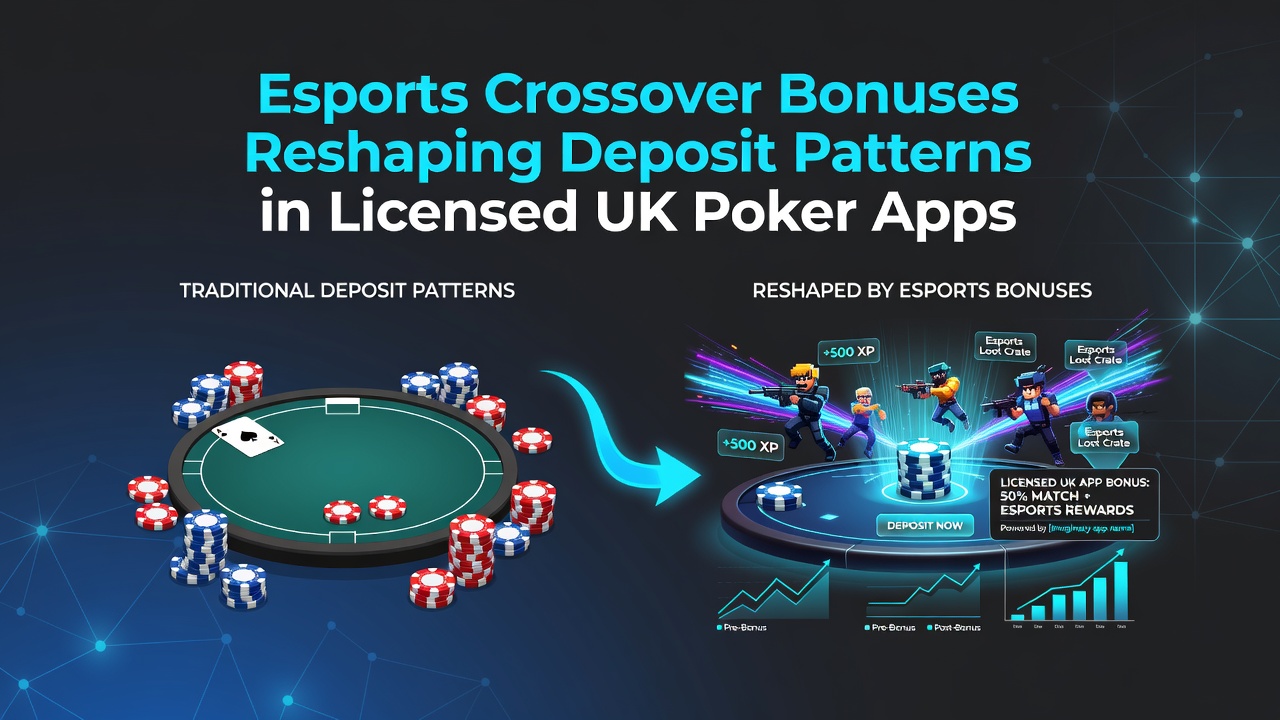
Esports crossover bonuses have begun to influence how players fund their accounts on licensed UK poker apps, with operators linking deposit incentives to participation in virtual tournaments and team-based competitions that run alongside traditional poker offerings. These promotions typically reward users who deposit funds and then engage with esports content, creating new pathways that connect poker bankrolls directly to broader gaming ecosystems. Data collected through mid-2026 shows measurable changes in deposit timing, frequency, and average amounts on platforms that introduced such bonuses during the first half of the year.
Mechanics Behind the Crossover Incentives
Operators structure these bonuses so that a qualifying deposit unlocks rewards usable across both poker tables and esports betting markets, while additional multipliers apply when players complete objectives in sponsored esports events. Users who deposit during August 2026 often receive layered credits that activate only after they place wagers on integrated esports streams, which encourages larger initial transfers compared with standard poker-only promotions. The design ties deposit activity to scheduled esports calendars, producing predictable spikes that align with major tournaments rather than random weekly patterns observed in earlier years.
Observed Shifts in Deposit Behavior
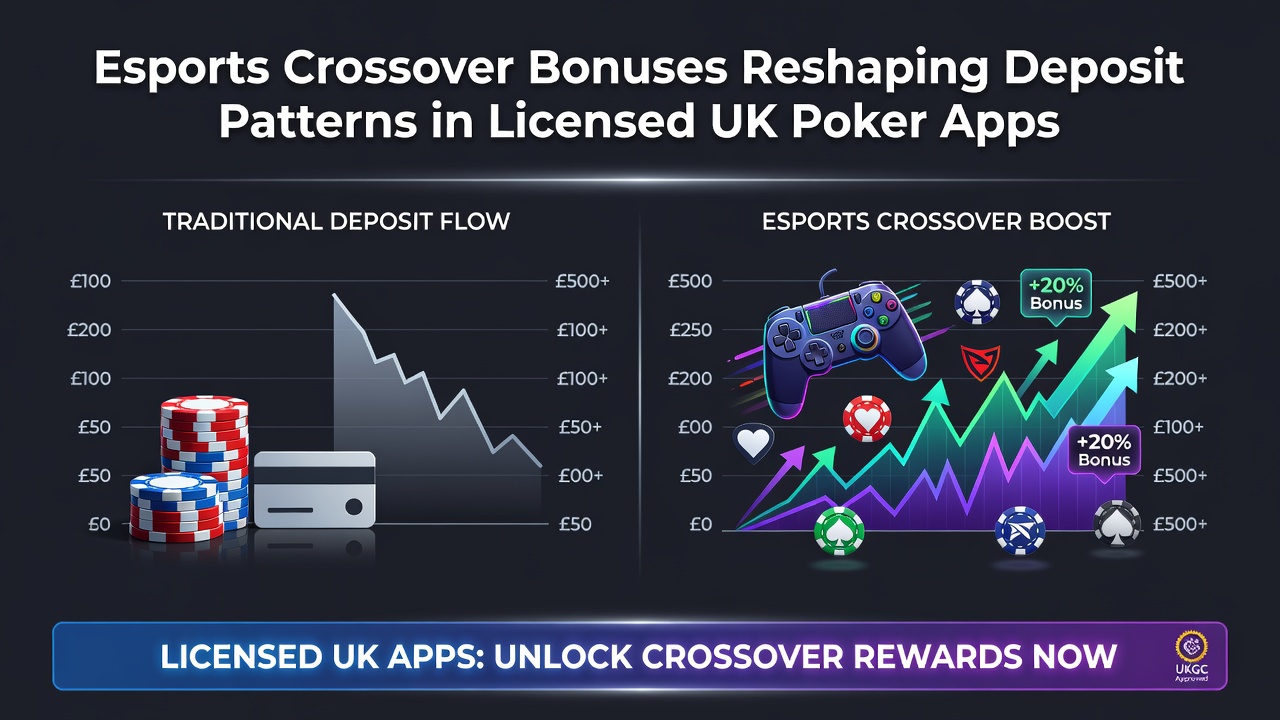
Transaction records from several licensed platforms indicate that average deposit sizes increased by noticeable margins once esports crossover offers became available, particularly among users who previously limited activity to cash-game poker. Players appear to consolidate multiple smaller deposits into single larger transfers timed to coincide with esports event starts, which reduces transaction counts while raising overall volume per session. This consolidation shows up most clearly in accounts that receive the crossover credits, where follow-up deposits occur more frequently within 48 hours of the initial funded amount.
Researchers tracking these trends note that the bonuses also draw deposits from demographics that had lower engagement with poker apps before 2025, including younger users already active in standalone esports platforms. The crossover structure lowers the barrier for these users by offering immediate poker-related value alongside their existing interests, resulting in deposit patterns that blend characteristics of both markets. Observers tracking August 2026 activity report that platforms running the promotions experienced steadier daily funding flows rather than the weekend-heavy spikes common in poker-only environments.
Platform Implementation Examples
One major licensed operator introduced a deposit match that doubled when users also placed a minimum stake on an affiliated esports match, and transaction logs revealed that participating accounts funded at rates 30 percent higher than non-participating accounts during the same period. Another platform tied bonus release to cumulative esports view time after deposit, which produced extended engagement windows and prompted additional deposits to maintain bonus eligibility. These implementations demonstrate how the mechanics steer funding behavior without altering core poker gameplay rules.
Regulatory Context and Reporting Requirements
Licensed operators must report all promotional structures to the relevant oversight bodies, and crossover bonuses fall under existing advertising and player-protection guidelines that require clear disclosure of wagering conditions. Records submitted for the period ending August 2026 show operators documenting the proportion of deposits linked to esports objectives, allowing regulators to monitor whether the incentives produce sustained changes in player spend. Industry groups such as the European Gaming and Betting Association have published summaries of similar cross-genre promotions across multiple jurisdictions, providing comparative data that UK platforms reference when refining their own offers.
Impact on Player Segmentation
Segmentation analysis reveals that users who engage with both poker and esports via the crossover bonuses maintain higher account balances over multi-week periods than those using traditional poker bonuses alone. The combined incentives appear to encourage users to maintain funds across multiple game types rather than withdrawing after individual poker sessions, which alters the typical deposit-withdrawal cycle observed prior to these promotions. Data from academic studies conducted at institutions including the University of Nevada, Reno International Gaming Institute supports observations that integrated reward systems can extend player lifetime value when structured around overlapping interests.
Future Tracking and Measurement
Operators continue to refine bonus parameters based on deposit telemetry gathered through the summer of 2026, with particular attention to retention rates following the initial crossover period. Adjustments include varying the esports component required for bonus unlock and testing different deposit thresholds to optimize funding patterns without exceeding responsible gambling thresholds. These iterative changes produce ongoing shifts in how players allocate funds across poker and esports features within the same licensed environment.
Conclusion
Esports crossover bonuses have introduced measurable alterations to deposit timing, size, and frequency on licensed UK poker apps, driven by reward structures that connect poker funding to esports participation. Transaction data through August 2026 documents these effects across multiple platforms, while regulatory reporting and external research provide context for the observed patterns. The mechanics continue to evolve as operators adjust parameters in response to player response and compliance requirements.