Digital Wallets Align With Poker Event Formats Across Licensed Mobile Platforms
Lars Russell · Sep 3, 2026
Digital Wallets Align With Poker Event Formats Across Licensed Mobile Platforms
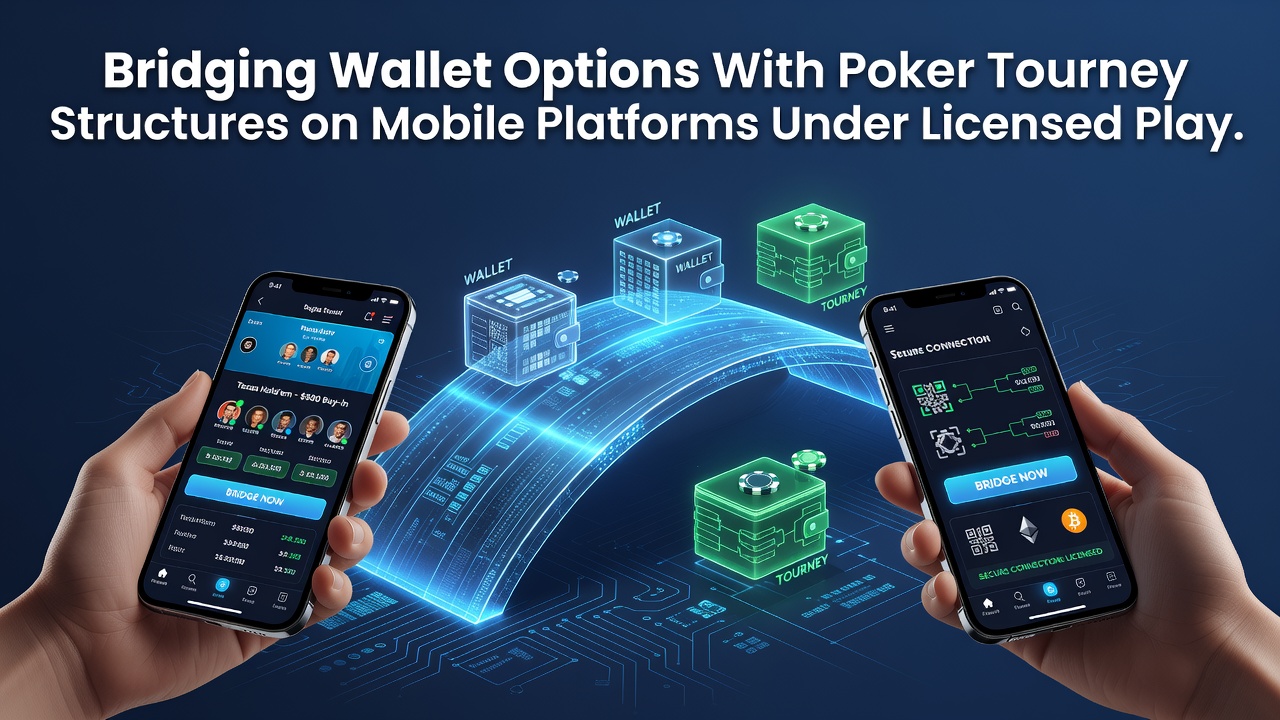
Digital wallet systems now connect directly to poker tournament entry processes on mobile platforms operating under licensed conditions, and operators structure buy-ins, rebuys plus satellite qualifiers around instant funding capabilities. Data from regulatory filings indicate that transaction speeds influence how players join multi-table events, with many platforms updating their systems to support seamless wallet handoffs during registration windows that open weeks ahead of major series.
September 2026 brought further refinements in several jurisdictions where licensing bodies require clear separation between deposit methods and tournament prize pools, yet the integration remains tight enough that players complete entries without leaving the app interface. Observers note that this setup reduces friction in satellite events where small buy-ins convert into larger main event seats, and licensed operators track these flows through audited ledgers that meet compliance standards across regions.
Payment Flow Structures in Tournament Environments
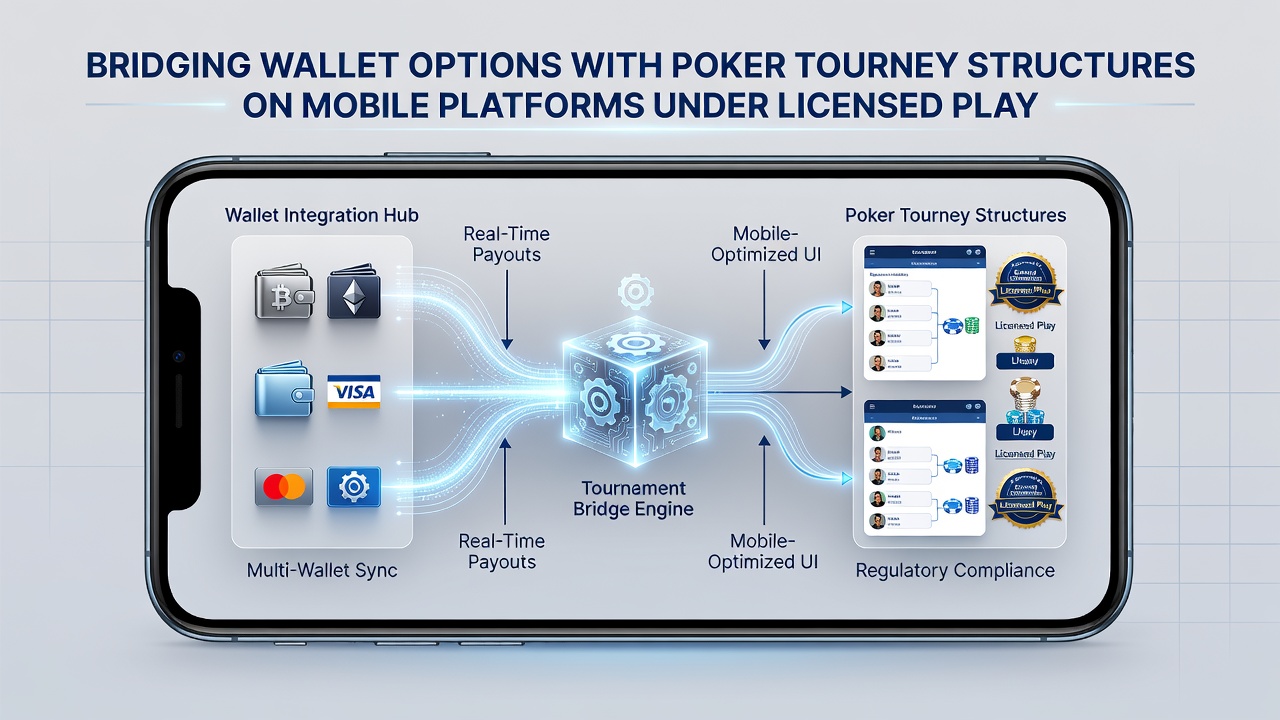
Licensed platforms configure wallet options to match specific tournament phases, including early bird registration periods, late registration windows and rebuy phases that extend through early blind levels. Research from gaming technology providers shows that e-wallet APIs allow balance checks in real time, which prevents failed entries when players attempt to join events with fluctuating prize guarantees. Those who study mobile poker ecosystems find that operators often tier wallet support according to tournament scale, with smaller daily events accepting a broader range of instant methods while flagship series restrict entries to verified funding sources that clear faster.
Wallet providers and platform developers coordinate on settlement timing so that tournament payouts reach player accounts shortly after final table conclusions, and this matters most in progressive knockout formats where bounties accumulate and require immediate distribution. Figures from industry reports reveal that platforms handling over 50,000 tournament entries monthly have reduced average payout processing from hours to minutes by embedding wallet verification steps earlier in the player onboarding sequence.
Regional Licensing Variations Shape Wallet Compatibility
Different licensing authorities impose distinct rules on how digital wallets interact with poker tournament prize funds, and operators adapt their mobile apps accordingly to maintain compliance. In North American markets, state-level regulators require documented trails for every buy-in funded through third-party wallets, whereas European frameworks emphasize consumer protection layers that include spending limits tied directly to wallet balances. Australian oversight bodies have examined how mobile tournament structures incorporate instant deposit confirmations, and similar patterns appear in Canadian provincial systems where operators must demonstrate that wallet integrations do not accelerate play beyond responsible gaming thresholds.
One case study documented by a university research group tracked how a licensed operator adjusted satellite qualifier structures after introducing a new wallet partner, resulting in higher conversion rates from micro-stakes events to larger buy-in tournaments. The study highlighted that players using integrated wallets completed entries 40 percent faster than those relying on traditional bank transfers, which influenced how organizers scheduled starting times for secondary events.
Technical Standards Supporting Tournament Entry
API connections between licensed mobile platforms and digital wallet services now support multi-currency tournament entries, allowing players to select funding sources while viewing real-time exchange rates and fee disclosures before confirming participation. Industry associations have published guidelines that encourage standardized data fields for tournament metadata, such as blind structures, payout percentages and guarantee amounts, all of which display alongside wallet balance information during the registration flow. This arrangement lets operators maintain consistent tournament calendars across time zones while ensuring that wallet transactions align with licensing requirements for player fund segregation.
Security protocols require two-factor confirmation for any wallet-funded entry above a certain threshold, and these steps integrate into the same mobile session that displays tournament lobbies and player statistics. Observers note that such measures maintain pace with growing participation numbers reported in licensed markets throughout 2026.
Future Integration Points
Developers continue refining how wallet options feed into dynamic tournament structures, including bounty hunter events and mystery bounty formats where prize pools adjust based on real-time entries. Licensed operators test features that let players allocate portions of their wallet balance across multiple tournament series without manual transfers, and early deployments indicate reduced cart abandonment during peak registration periods. Regulatory updates scheduled for later periods will likely focus on audit trails that link each wallet transaction to specific tournament outcomes, ensuring transparency across all licensed mobile environments.
Conclusion
Wallet integration with poker tournament structures on licensed mobile platforms continues to evolve through coordinated technical and regulatory efforts, and the patterns observed through 2026 suggest further streamlining ahead. Platforms that align funding methods with event formats deliver measurable improvements in entry completion and payout distribution while meeting compliance obligations across multiple jurisdictions.