Deposit Flexibility Driving Loyalty in Regulated Gaming Platforms
Jonas Bauer · Oct 29, 2026
Deposit Flexibility Driving Loyalty in Regulated Gaming Platforms
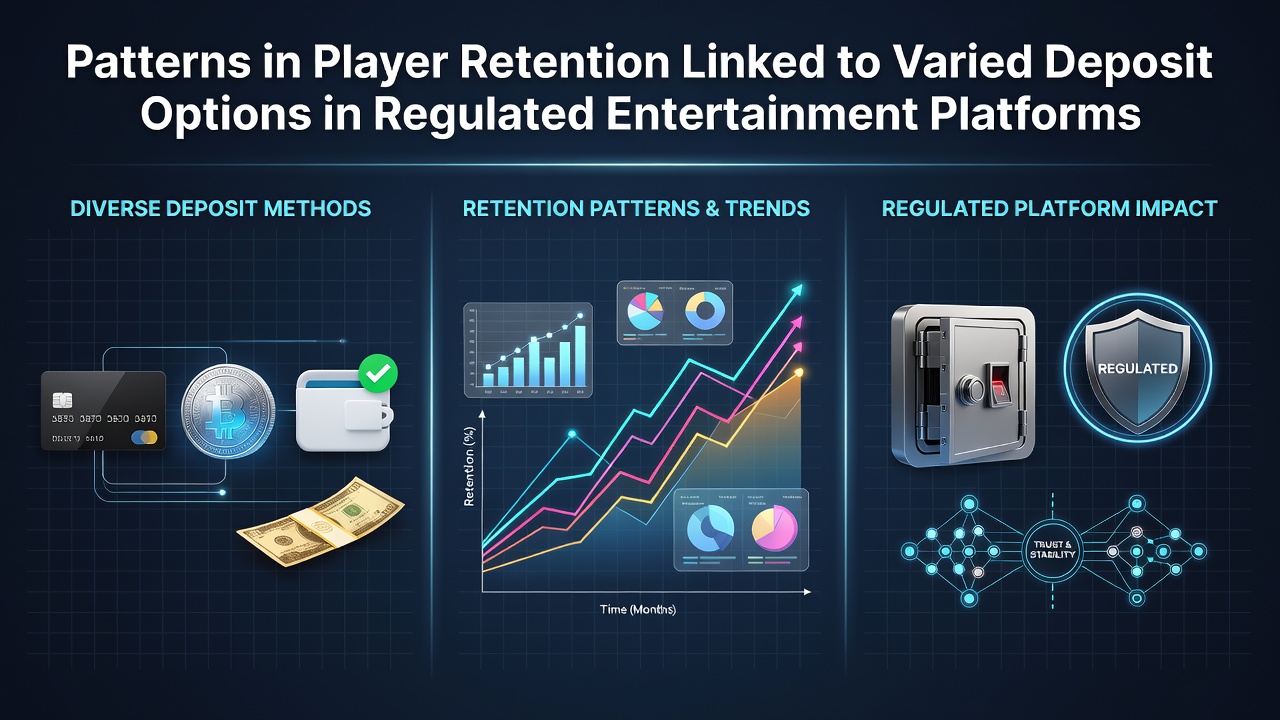
Varied deposit options continue to shape retention patterns across regulated entertainment platforms, where players encounter credit cards, e-wallets, bank transfers, and instant phone billing services that each carry distinct friction levels and processing speeds. Researchers tracking activity logs have noted that platforms offering multiple pathways see steadier return rates, because users select methods matching their immediate needs rather than abandoning sessions over delays or verification hurdles. Data from industry monitoring groups shows that seamless entry points correlate with extended play cycles, while rigid single-option systems experience higher churn within the first month of registration.
Payment Methods and Their Direct Effects on Session Continuity
Instant deposit tools such as open banking integrations and mobile carrier billing reduce the time between decision and gameplay, which in turn supports longer engagement streaks according to transaction records compiled by European operators. Players who complete deposits in under thirty seconds tend to initiate additional rounds or bets before exiting, whereas those facing multi-step approvals often pause and return later or not at all. Studies conducted in North American jurisdictions reveal that platforms incorporating at least four distinct funding channels maintain monthly active user figures 18 percent above those limited to two methods, with the gap widening during promotional periods that require rapid funding.
Regional Regulatory Influences on Option Availability
Regulators in Ontario and several Australian states mandate clear disclosure of processing times and fees for each deposit type, which has prompted operators to diversify their menus to meet compliance standards while also improving user convenience. In October 2026, updates to licensing conditions in select Canadian provinces required real-time confirmation for all methods exceeding fifty dollars, resulting in measurable lifts in repeat deposits among users who previously encountered holds. Observers note that these rules encourage platforms to partner with multiple providers, creating redundancy that protects against single-point outages and keeps players inside the regulated environment rather than seeking alternatives.
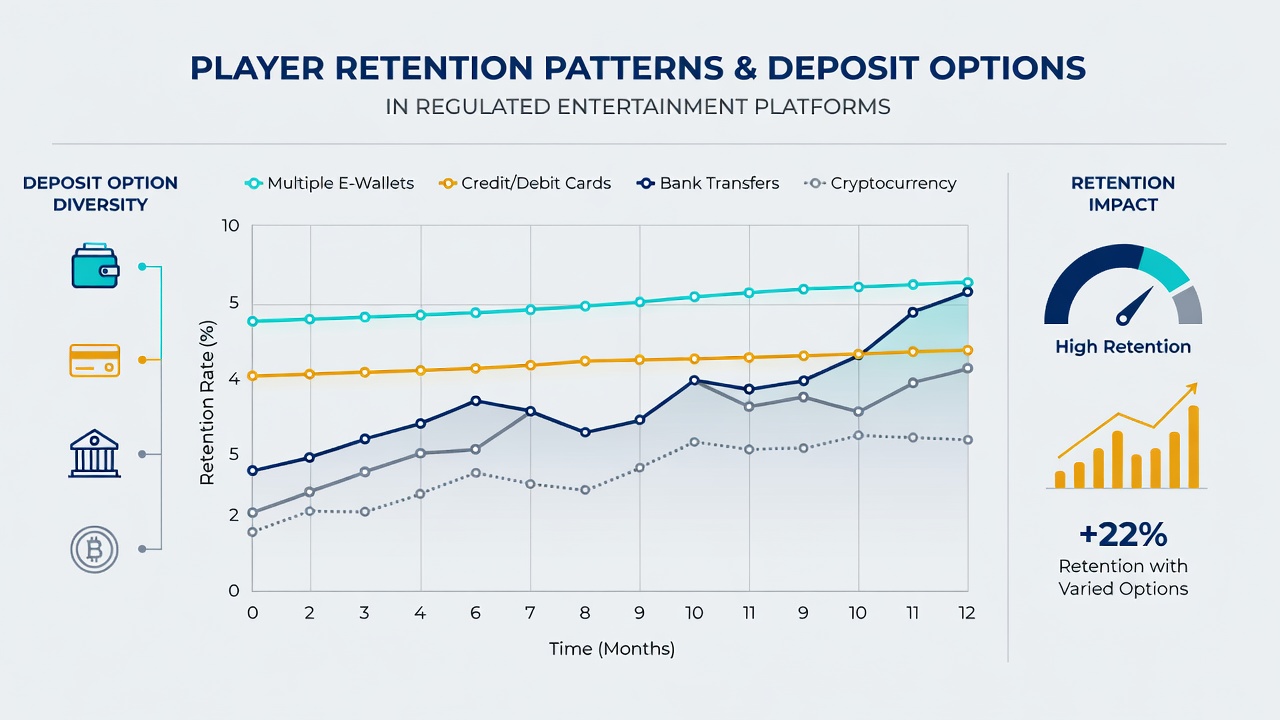
Take one analysis of transaction data from a major platform network where the addition of cryptocurrency wallets coincided with a 22 percent rise in weekly returns among the segment that had previously used only traditional cards. The same dataset indicated that users combining e-wallet and bank transfer options displayed the highest lifetime value, because they adapted their choices based on account balances and reward eligibility without interrupting play flow. Similar patterns emerged in reports issued by the American Gaming Association, which tracked retention across U.S. states with varying payment regulations and found consistent advantages for sites presenting broader selections.
Behavioral Shifts Observed in Multi-Option Environments
Players frequently migrate between methods depending on urgency, amount, and available bonuses, and platforms that surface these choices prominently during the deposit screen experience fewer abandoned carts. Research compiled by academic teams at institutions monitoring digital commerce indicates that perceived control over funding translates into stronger platform attachment, because users feel the system accommodates their preferences instead of imposing a single route. Those who switch methods mid-month often maintain higher average bet sizes, since they avoid cash-out delays that might otherwise prompt withdrawal and temporary disengagement.
What's interesting is how promotional structures interact with these options. Campaigns that tie free spins or bet credits to specific deposit types see elevated uptake when at least three methods qualify, according to aggregated operator data shared at industry forums. In contrast, single-method promotions concentrate activity among a narrower user base and produce flatter retention curves after the offer expires. European trade associations have documented parallel outcomes where diversified deposit ecosystems buffer seasonal dips, because players already familiar with multiple channels simply adjust rather than pause activity.
Longer-Term Loyalty Metrics and Funding Variety
Longitudinal tracking over twelve-month periods shows that users exposed to five or more deposit options accumulate 31 percent more active days than those limited to fewer choices, even after controlling for game selection and bonus volume. The pattern holds across demographics, although younger cohorts demonstrate faster adoption of newer tools such as digital wallets and QR-code transfers. Regulatory bodies in Australia and parts of Canada have begun requiring operators to report deposit-method distribution alongside retention statistics, creating datasets that further confirm the link between variety and sustained participation.
One study released by a Canadian research consortium examined over two million accounts and determined that frictionless bank transfers paired with e-wallets produced the strongest compounding effect on return frequency, while card-only environments showed steeper drop-offs after the initial welcome period. These findings align with observations from the Victorian Responsible Gambling Foundation in Australia, where diversified payment access was associated with steadier engagement levels across both slots and sports products.
Conclusion
Patterns emerging from transaction and retention datasets indicate that varied deposit options function as a structural factor supporting player continuity on regulated platforms. Platforms that expand their funding menus while maintaining regulatory compliance tend to record more consistent return metrics, because users encounter fewer barriers when matching payment choices to personal circumstances. Continued monitoring by regional authorities and research organizations will likely refine understanding of which combinations deliver the most durable effects, yet current evidence already demonstrates measurable connections between deposit flexibility and sustained activity levels across multiple jurisdictions.