Carrier Billing Systems Expand Player Access to Slot Rewards and Poker Competitions in Mobile Applications
Jonas Bauer · Aug 7, 2026
Carrier Billing Systems Expand Player Access to Slot Rewards and Poker Competitions in Mobile Applications
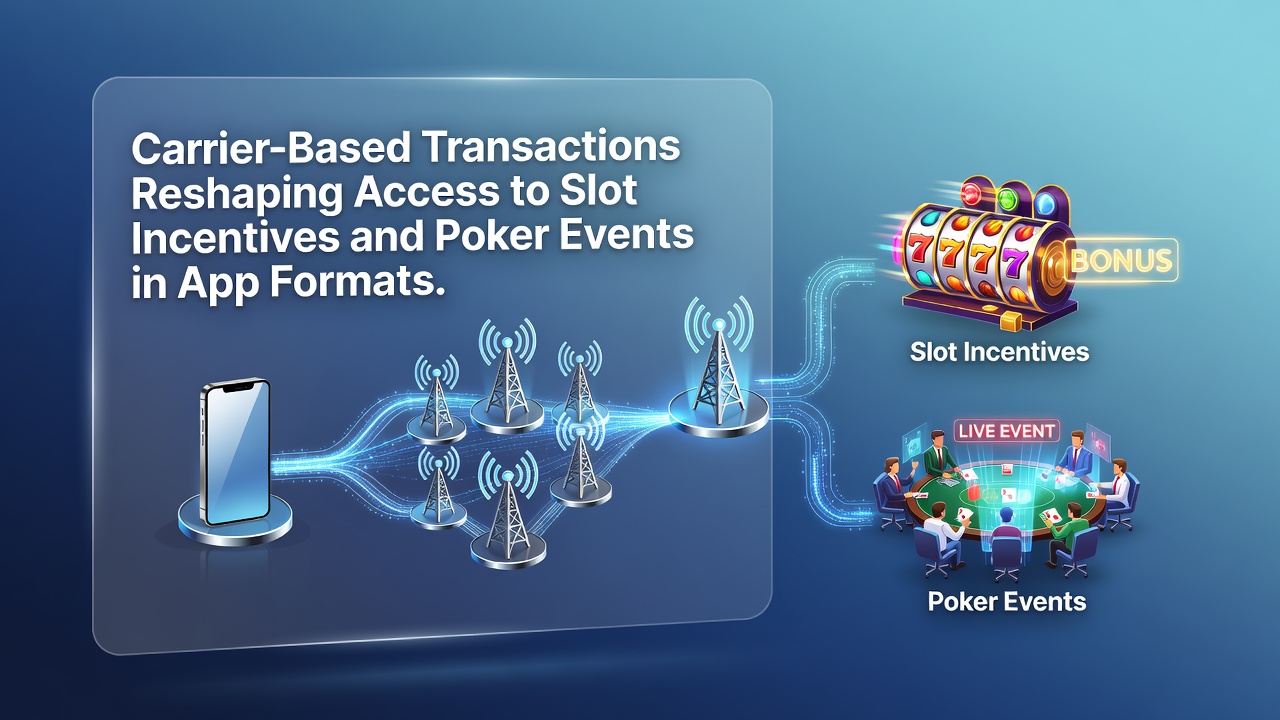
Carrier-based transactions allow users to fund accounts directly through mobile phone bills, and this method has gained traction in regulated app environments where slot incentives and poker events require quick deposits. Observers note that platforms integrate these options to reduce friction during onboarding, while data from payment providers shows increased transaction volumes in markets with high smartphone penetration. In August 2026 several app operators reported shifts in how players reach promotional content once carrier billing became a default choice alongside traditional cards and e-wallets.
Mechanics Behind Carrier Integration in Gaming Apps
Users select the carrier option at checkout, confirm via SMS or app prompt, and the charge appears on their next phone statement without exposing banking details. Researchers at mobile industry groups have tracked how this flow cuts drop-off rates during deposit stages, and figures reveal that average session times lengthen when players move straight from payment to active games. Slot incentives such as deposit-matched free spins activate immediately after confirmation, and poker tournament entries process without additional verification layers in many licensed applications.
Slot Incentive Delivery Through Phone Billing
App developers structure slot promotions so that carrier deposits trigger bonus codes automatically, and players often discover these offers within the same screen flow. Data indicates that participation in timed slot events rises when payment barriers drop, while operators track redemption rates across different carrier networks. One study from an Australian research institute found that users who completed deposits via phone billing accessed an average of 1.8 additional incentive rounds per session compared with card-only users, and those patterns held steady through the first half of 2026.
Poker Event Access Patterns in Carrier-Enabled Apps
Poker sections within hybrid apps list scheduled tournaments and sit-and-go formats, and carrier billing lets players register without leaving the interface. Figures from North American operator reports show that freeroll and low-stake events fill faster when phone-bill funding is promoted at the lobby level. Experts have observed that late-registration windows extend more readily for users who fund on the spot, and participation metrics climb during evening hours when mobile data usage peaks. Platforms maintain separate leaderboards for carrier-funded entries to monitor engagement without mixing payment cohorts.
Regional Regulatory Contexts and Industry Data
Regulators outside the United Kingdom have examined carrier billing as an alternative payment rail that still meets age-verification standards. In Canada the iGaming Ontario framework requires operators to log carrier transactions with the same audit trails applied to other methods, and compliance reports from 2025 documented steady adoption rates. European operators following guidance from the European Gaming and Betting Association have published aggregated statistics showing that carrier-funded poker entries grew 14 percent year-over-year in select markets through mid-2026. Those figures appear in operator filings submitted to national oversight bodies rather than in consumer-facing materials.
Industry associations note that transaction limits tied to phone plans help operators stay within responsible-gaming parameters, and daily caps often mirror existing deposit limits already set by app stores. Researchers tracking payment method preferences have recorded higher retention among users who began with carrier deposits and later added secondary funding sources. App analytics dashboards separate these cohorts so developers can adjust incentive sizing based on observed behavior.
Technical Implementation Across Major App Stores
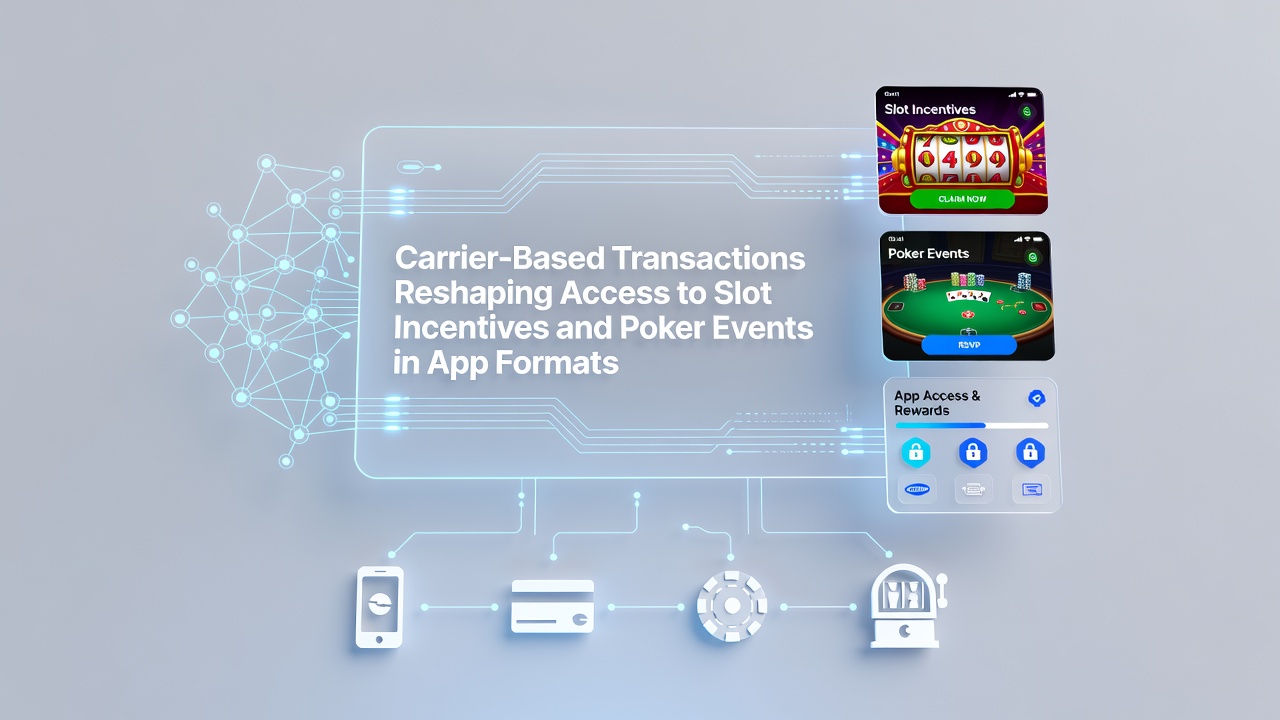
Developers embed carrier SDKs that handle authentication through network APIs, and updates rolled out in the second quarter of 2026 improved latency during high-traffic periods. Slot incentive pop-ups now include carrier icons alongside traditional logos, while poker event screens display estimated phone-bill surcharges in real time. Observers note that error handling improved after carriers and operators jointly tested fallback flows for users who hit monthly plan ceilings. These refinements reduced support tickets related to failed deposits by measurable margins according to internal platform reports.
Conclusion
Carrier-based transactions continue to integrate with slot and poker features inside regulated mobile applications, and available data tracks corresponding changes in incentive uptake and tournament registration. Operators maintain compliance records across jurisdictions, while payment providers supply the underlying infrastructure. Patterns documented through 2026 illustrate how phone-bill funding sits alongside other rails without displacing them, and further measurement will clarify long-term effects on player behavior across different app ecosystems.