Carrier Billing Gains Traction in Cross-Platform Gaming Through Linked Reward Systems
Xander Braun · Aug 3, 2026
Carrier Billing Gains Traction in Cross-Platform Gaming Through Linked Reward Systems
Carrier-based funding allows users to charge in-app purchases directly to their mobile phone bills, and this method has expanded within cross-platform gaming environments where players move between devices without interruption. Data from industry reports show increased adoption rates in regions with high smartphone penetration, as developers integrate these payments to reduce friction during transactions. In August 2026 figures released by several mobile network operators indicated steady growth in billing volumes tied to gaming activity, particularly in titles that span iOS, Android, and web platforms.
Mechanics of Carrier Integration
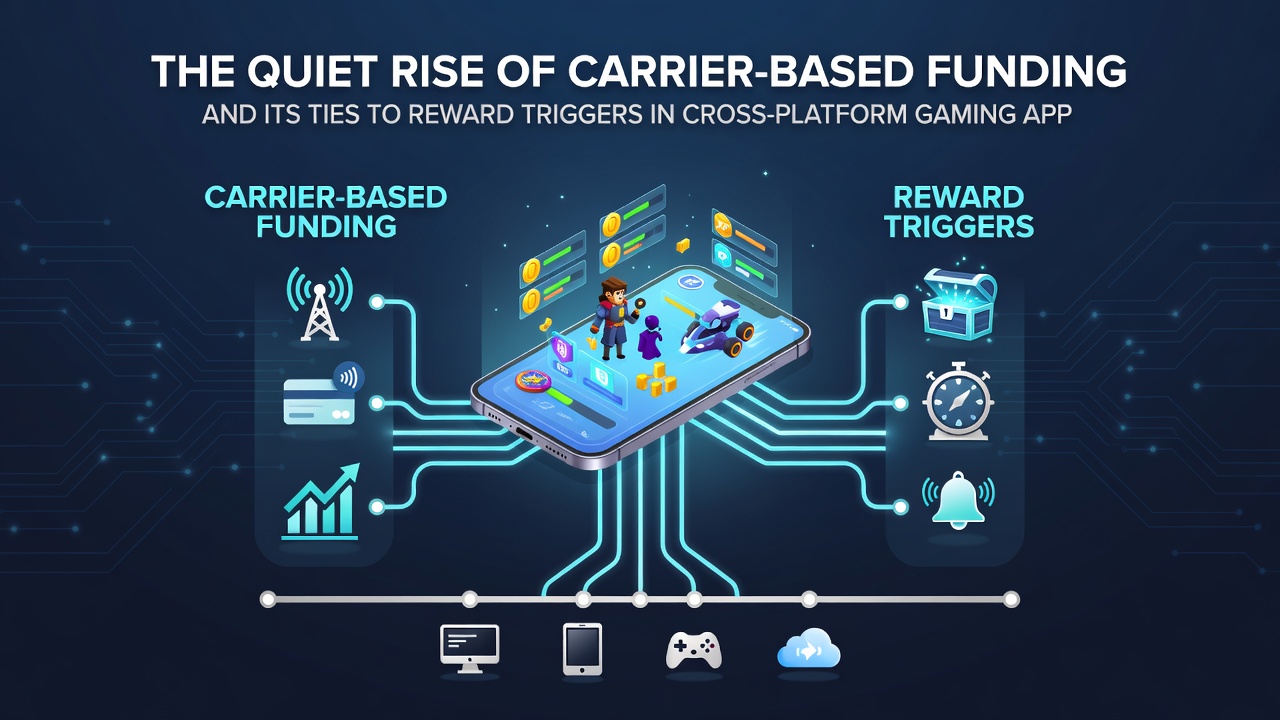
Developers connect carrier billing APIs to game servers so that microtransactions process through telecom infrastructure rather than traditional card processors, and this setup supports seamless play across devices because account details remain tied to the phone number. Studies conducted by research institutions such as the International Telecommunication Union reveal that latency drops when billing routes through carriers, which in turn supports real-time reward delivery. Players receive notifications for daily login bonuses or achievement unlocks immediately after a carrier-approved charge completes, creating a direct link between funding and continued engagement.
Reward Triggers and Player Retention Patterns
Reward systems in these apps often activate upon deposit confirmation, and examples include boosted currency packs or exclusive items that appear only after a carrier transaction succeeds. Observers note that cross-platform titles benefit because the same reward ledger syncs via cloud services, allowing a player who starts on mobile to claim the same triggered bonus on a console or PC version. Research from the Mobile Marketing Association indicates that apps using this combination report higher session lengths, as the immediate reward feedback loop encourages repeat funding actions without requiring users to exit the game environment.
One documented case involved a popular battle royale title that introduced carrier-funded battle passes in mid-2025, after which telemetry data showed a measurable uptick in cross-device logins. The system flagged reward eligibility based on billing status, which reduced drop-off rates between platforms. Similar patterns appear in puzzle and simulation genres where limited-time events tie directly to carrier payment confirmations, and analysts from academic centers have tracked these correlations through anonymized usage datasets.
Regulatory Landscape Across Regions
Regulatory bodies in the European Union have examined carrier billing practices under digital payment directives, while the Federal Communications Commission in the United States has reviewed consumer protection aspects related to unauthorized charges in app ecosystems. These frameworks require clear disclosure of billing methods before a transaction processes, and developers must maintain opt-out mechanisms that function across all supported platforms. Industry associations report that compliance updates rolled out in early 2026 helped standardize how reward triggers display billing information, reducing disputes in multi-device environments.
Cross-platform games often operate under varied age-rating systems, yet carrier billing adds an extra verification layer because phone accounts typically link to verified users. Data aggregated by research groups shows that markets with mature telecom regulations experience fewer billing complaints when reward systems clearly separate free triggers from paid ones. This separation matters because some titles offer hybrid rewards that combine daily free claims with optional carrier-funded upgrades, and transparent labeling helps maintain user trust during platform switches.
Technical Implementation Challenges
Engineers face hurdles when syncing carrier authorization tokens across different operating systems, yet successful implementations use standardized OAuth flows that authenticate once per phone number. In August 2026 several middleware providers released updated SDKs that handle multi-platform reward states more efficiently, cutting development time for studios building these features. Observers from technical conferences note that latency reductions achieved through these updates allow reward animations to trigger within the same session as the billing confirmation, strengthening the perceived connection between funding and gameplay benefits.
Security protocols have also evolved, with carriers and developers jointly implementing token expiration rules that prevent reuse across unauthorized devices. Academic papers published in 2025 examined encryption standards applied to billing-reward handshakes, and findings suggested that end-to-end verification lowers fraud vectors while preserving the speed that makes carrier funding attractive for spontaneous in-app decisions.
Conclusion
Carrier-based funding continues to embed itself within cross-platform gaming through its compatibility with reward mechanisms that respond instantly to payment events. Figures from multiple regions demonstrate sustained volume growth, supported by technical refinements and regulatory clarity that emerged through 2026. As platforms proliferate, the linkage between billing confirmation and reward delivery remains a focal point for developers seeking to maintain engagement across devices without introducing additional payment steps.